Secure Cross-Account Data Sharing on AWS (2026): Lake Formation, LF-Tags, and Data Mesh Without Copying the Lake
Quick summary: Copying curated Parquet into every consumer account is how data platforms drown in storage cost and permission sprawl. On Feb 11, 2026 AWS shipped Lake Formation cross-account version 5 — wildcard RAM shares for hundreds of thousands of tables. A composite 12-account platform cut duplicate curated copies from 3 to 0 and dropped cross-account access tickets from ~11/month to ~3 by standardizing LF-Tags + resource links.
Key Takeaways
- On Feb 11, 2026 AWS shipped Lake Formation cross-account version 5 — wildcard RAM shares for hundreds of thousands of tables
- A composite 12-account platform cut duplicate curated copies from 3 to 0 and dropped cross-account access tickets from ~11/month to ~3 by standardizing LF-Tags + resource links
- On February 11, 2026, AWS shipped Lake Formation cross-account version 5 — wildcard RAM resource shares that scale to hundreds of thousands of tables without per-table RAM associations
- Lake Formation was built to share permissions on the catalog and S3 locations, not copies of the bytes
- Prior pattern: monthly ETL copies into each consumer bucket (~12 TB duplicated across accounts, ~$280/mo incremental Standard storage at us-east-1 rates, plus Glue crawler sprawl)
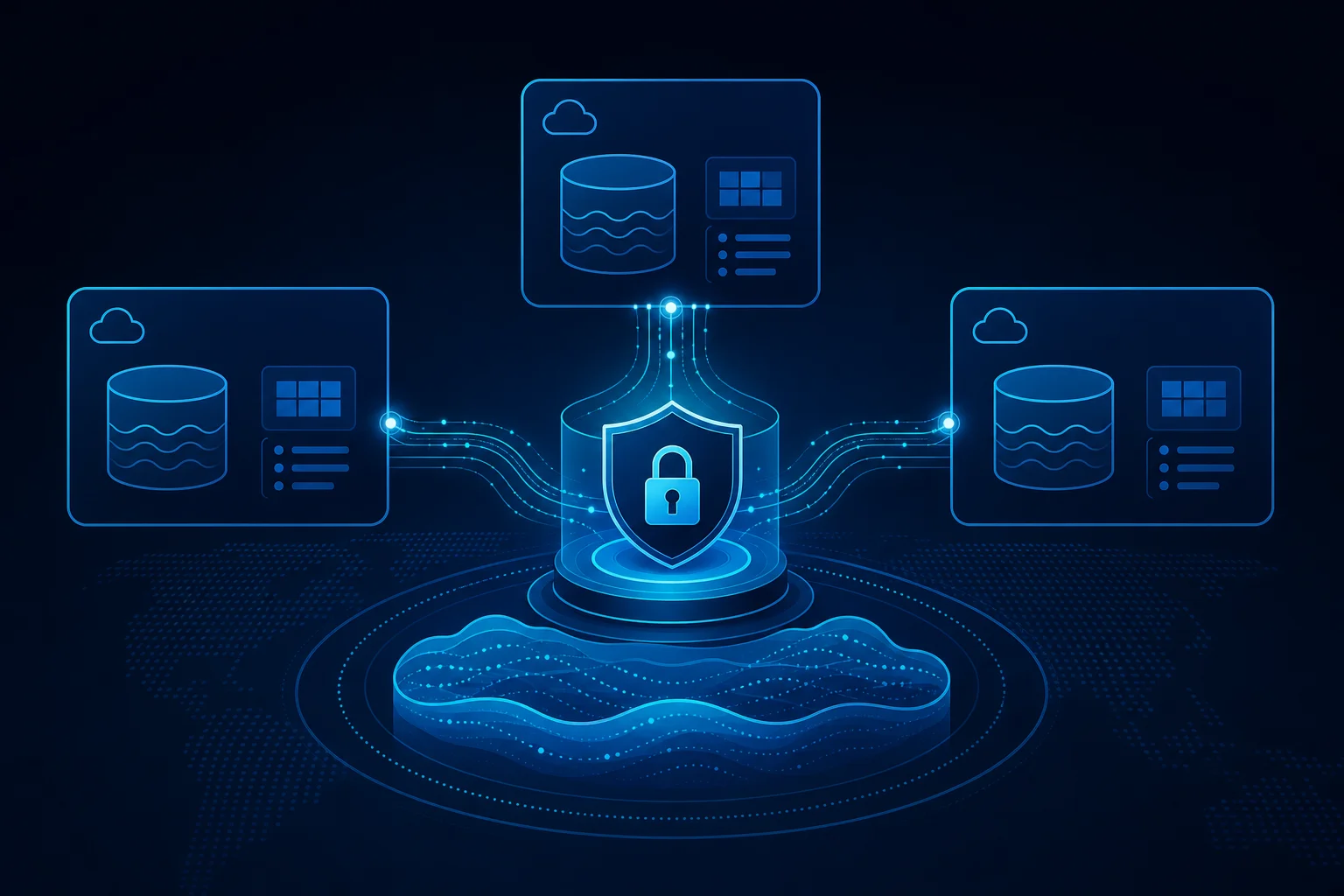
Table of Contents
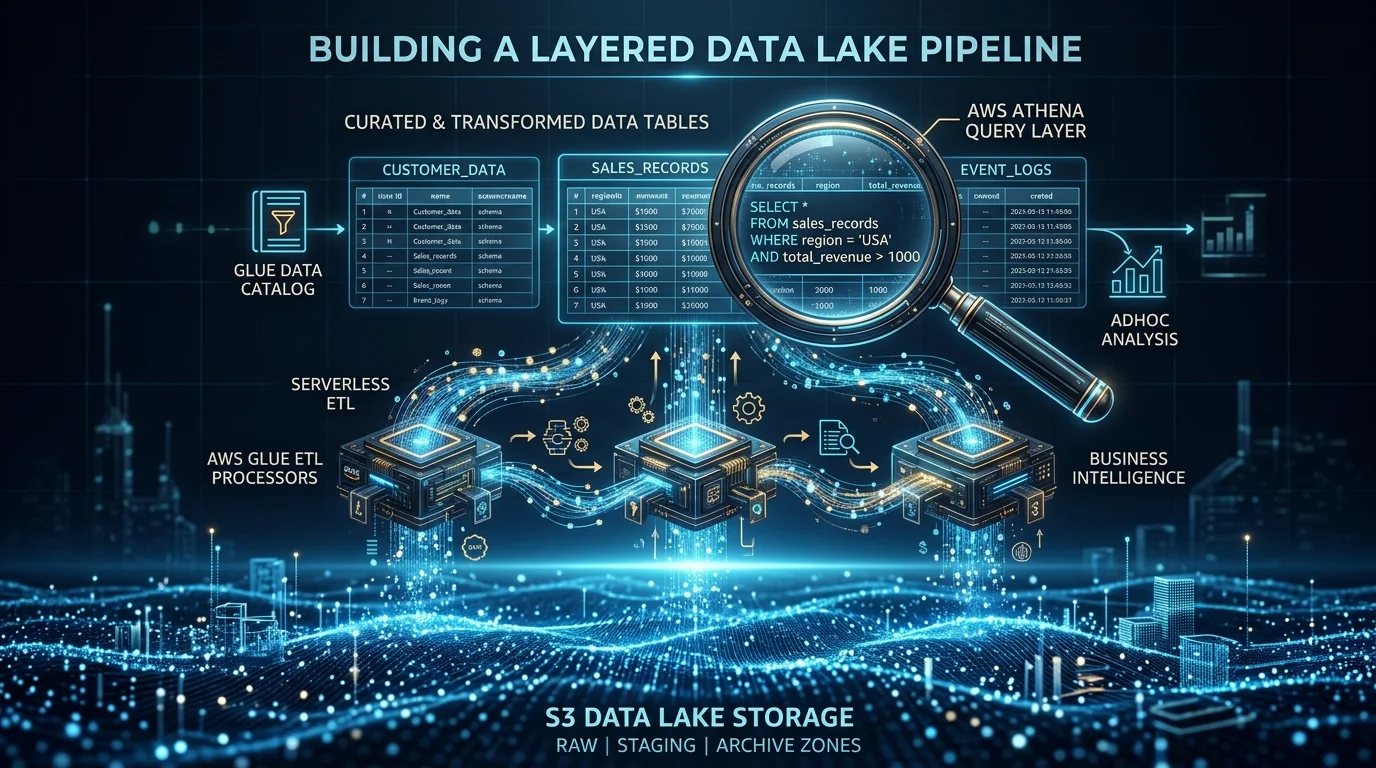
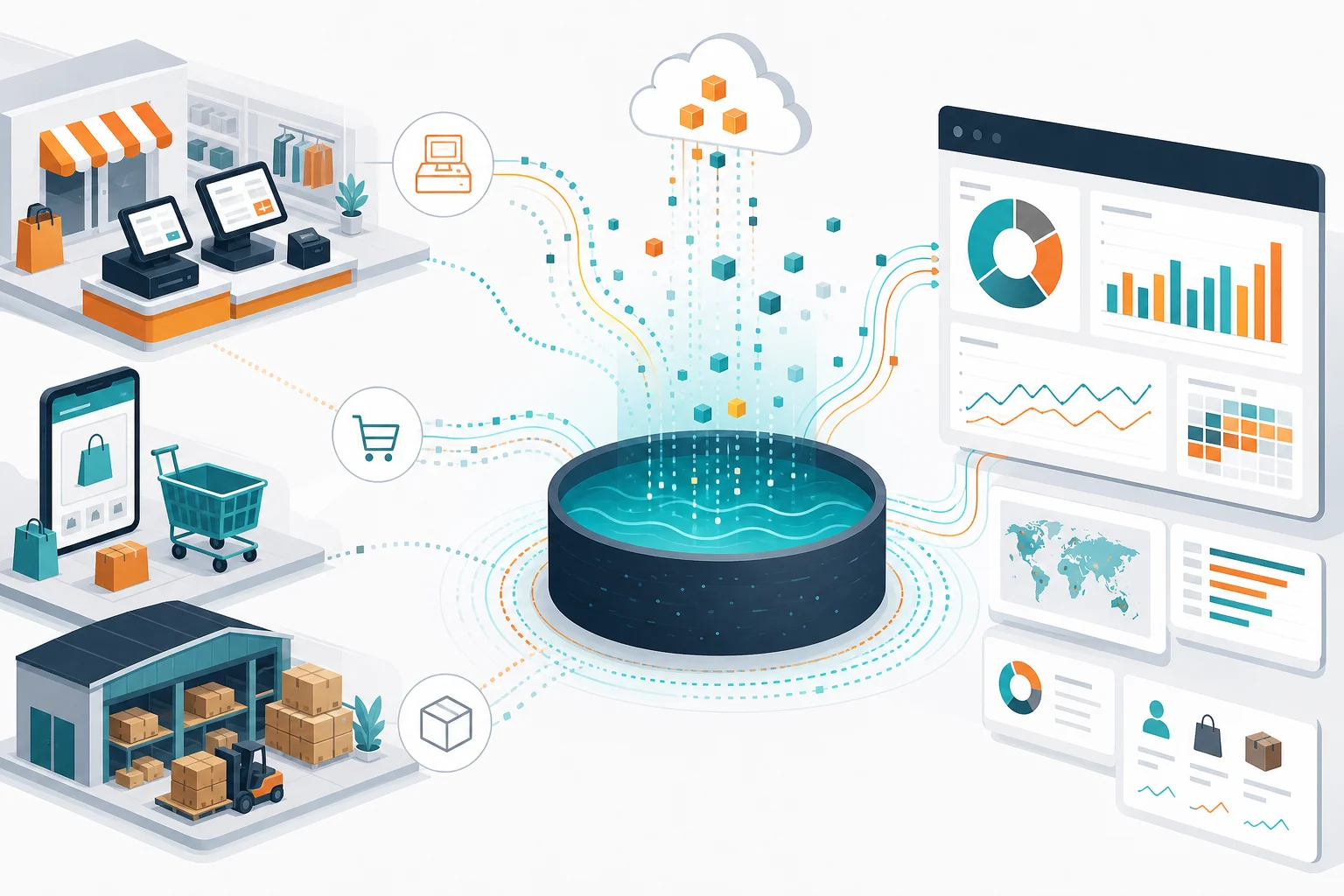
On February 11, 2026, AWS shipped Lake Formation cross-account version 5 — wildcard RAM resource shares that scale to hundreds of thousands of tables without per-table RAM associations. That matters because the default multi-account data pattern — copy curated Parquet into every consumer account — doubles storage, forks lineage, and turns revocation into a forensic exercise. Lake Formation was built to share permissions on the catalog and S3 locations, not copies of the bytes.
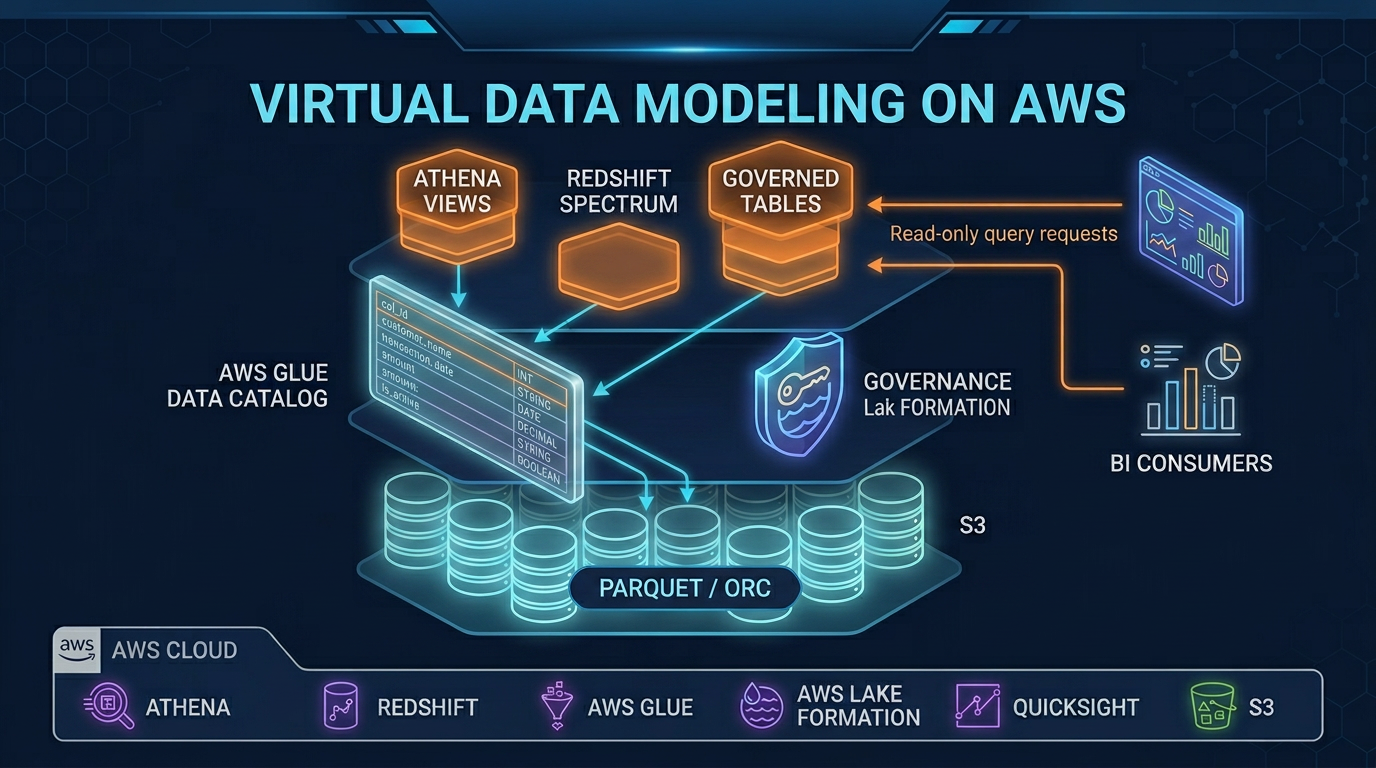
This post is the data-sharing layer after your landing zone and cross-account networking/guardrail patterns exist. For semantic views over the lake, see virtual data modeling. We ship a data sharing decision matrix, LF-Tag grant skeleton, cross-account query checklist, and architecture draw.io.
Benchmark pattern (not a cited client) — Composite multi-account data platform, 12 AWS accounts, centralized Glue Data Catalog in a dedicated data account, 3 consumer accounts (finance analytics, product BI, ML feature store) needing column-level access to a ~4 TB curated zone on S3. Prior pattern: monthly ETL copies into each consumer bucket (~12 TB duplicated across accounts, ~$280/mo incremental Standard storage at us-east-1 rates, plus Glue crawler sprawl). After LF-TBAC + resource links: 0 duplicate curated copies, cross-account access tickets dropped from ~11/month → ~3/month (remainder were KMS key policy gaps, not LF logic). Athena scan waste fell ~18% in the finance account because analysts stopped querying stale copied partitions.
Four jobs — four mechanisms
| Job | Mechanism | Wrong default |
|---|---|---|
| Share catalog + S3 paths without copy | Lake Formation + RAM + resource links | Cross-account IAM role to S3 |
| Warehouse-native consumer | Redshift datashares | LF resource links on Redshift |
| Untrusted collaborator analytics | AWS Clean Rooms | LF grant to external account |
| Block outsiders on producer S3 | RCP data perimeter | Bucket policy alone |
Opinionated take: LF-Tags over named resources once you pass ~50 tables or 3+ consumer teams. Named grants are fine for pilots; they do not scale with daily table churn. RAM is not authorization — it is discovery transport for the catalog share.
Producer setup (data account)
- Register S3 locations in Lake Formation for curated and published zones — not the entire org’s raw landing bucket on day one.
- Revoke
IAMAllowedPrincipalson LF-managed databases/tables so IAM cannot bypass LF on those paths. - Define LF-Tag keys — we use three to start:
Environment,Sensitivity,Domain. Lake Formation allows one value per key per resource; plan cardinality accordingly. - Assign LF-Tags to databases/tables (cannot assign at resource creation time — automate via Glue crawler post-hook or IaC).
- Grant cross-account with an LF-Tag expression (
Environment=ProductionANDSensitivity=Internal) to the consumer account ID or OU. - Upgrade to cross-account v5 before bulk grants if you expect 1,000+ tables — console/API upgrade, announced Feb 11, 2026.
Pair with KMS CMK strategy when curated data uses SSE-KMS — consumer roles need key policy and LF grants.
Consumer setup (analyst account)
- Accept RAM share (same-org shares often auto-accept).
- Create resource links for each database/table analysts will reference in SQL — queries use link names, not producer names.
- Register Athena/Spark execution roles as Lake Formation data lake principals with
SELECT/DESCRIBEvia inherited LF-Tag grants. - Run the checklist artifact —
SELECT 1should fail with SQL errors, not GlueAccessDenied.
Context for smoke test — AWS CLI 2.x, consumer analyst role:
aws lakeformation list-permissions --catalog-id <PRODUCER_ACCOUNT_ID>
aws athena start-query-execution \
  --query-string 'SELECT count(*) FROM <resource_link_db>.<resource_link_table> LIMIT 1' \
  --work-group primary
LF-Tags vs named resources
| Criterion | LF-Tags (TBAC) | Named resources |
|---|---|---|
| Table count | Hundreds → millions | Pilots, <50 tables |
| New table onboarding | Automatic if tags applied | Manual grant per table |
| Partner outside taxonomy | Awkward | Explicit ARNs |
| Audit question | “Who has Internal Finance?” | “Who has table X?” |
Download the decision matrix for Redshift datashare and Clean Rooms rows.
What broke — Week 2 of a LF-TBAC rollout. Finance analysts hit
AccessDeniedon Athena; IAM policy simulator showed Allow on S3 and Glue. Root cause: queries referencedproducer_db.gl_balancesinstead of the resource linkfinance_curated_link.gl_balances, and the Athena workgroup role was never registered in Lake Formation. Detection:aws lakeformation list-permissionsreturned empty for the role. Fix: resource links +GrantPermissionsfor the role asDataLakePrincipalIdentifier— not an S3 policy change. IAM-looking errors with LF lakes are usually LF registration gaps.
Layer the data perimeter (RCP)
Lake Formation governs authorized consumers inside your org. RCPs govern who can touch the S3 objects at all — including principals bucket policies might accidentally allow. Roll RCP on the NonProd OU first; watch CloudTrail AccessDenied for partner pipelines before attaching at root.
Rollout order (lockout-safe)
- NonProd producer + one NonProd consumer — named resource grant (learn RAM + links).
- Enable LF-Tags on curated zone only — not raw landing.
- Migrate grants to LF-Tag expressions; enable
Grant with LF-Tag expressionsfor delegated admins if needed. - Upgrade to v5; scale grants to remaining consumer accounts.
- Add RCP on producer data OU after integration inventory.
What to do this week
- Inventory duplicate curated buckets per consumer — count TB and monthly storage cost.
- Confirm producer S3 paths are Lake Formation registered; list any
IAMAllowedPrincipalsstill enabled. - Pilot one table cross-account with named grant + resource link + Athena probe.
- Draft LF-Tag keys with data owners — three keys max for v1.
- If table count > 1,000, schedule v5 upgrade before bulk grants.
What this post doesn’t cover
- Amazon DataZone subscription workflows and business glossary — see DataZone governance; DataZone complements LF, does not replace location registration.
- AWS Clean Rooms collaborative SQL — different trust model than in-org LF sharing.
- QuickSight row-level security — dataset RLS is separate from LF column grants.
- Row-level LF cell-level security — advanced; start with table/column grants.
- Click-by-click Glue crawler setup — data lake architecture guide.
Related: Cross-account patterns · Virtual data modeling · KMS architecture · Data lake on S3/Glue/Athena · Data analytics services
Frequently asked questions
What is the difference between RAM sharing and Lake Formation grants for data lakes?
When should we use LF-Tags instead of named-resource grants?
When should we NOT use Lake Formation cross-account sharing?
What changed in Lake Formation cross-account version 5?
How do RCPs interact with Lake Formation shared data?
What could go wrong during consumer onboarding?

AWS Cloud Architect & AI Expert
AWS-certified cloud architect and AI expert with deep expertise in cloud migrations, cost optimization, and generative AI on AWS.